

Checking For Sludge And Water In Your Oil Tank
Over time, your oil tank can accumulate a build-up of sludge, which will contaminate your oil and, if left unchecked, can cause problems with your heating supply. Due to the damage this can do, it is important to keep an eye on this and for any sludge or water to be removed on a regular basis.
The good news is, this is a fairly simple process, and if kept on top of can help the longevity of your oil tank, saving you money in the long run.
HOW SLUDGE AND WATER BUILD-UP HAPPENS
Sludge can build-up in an oil tank over time and is typically formed from rust, dirt, and oxidation of hydrocarbons in oil. It is also more likely to form if there is water contamination in the fuel. Water contamination, which usually comes from rainwater or condensation, also allows microorganisms to grow in the fuel that sinks to the bottom of the tank. These then mix with any rust or dirt, forming a layer of sludge.
If this build-up is left untreated, it can eventually clog your fuel line and cause issues with your heating system. By regularly checking your tank and addressing contamination early, you can prevent unexpected breakdowns and keep your home warm when you need it most.
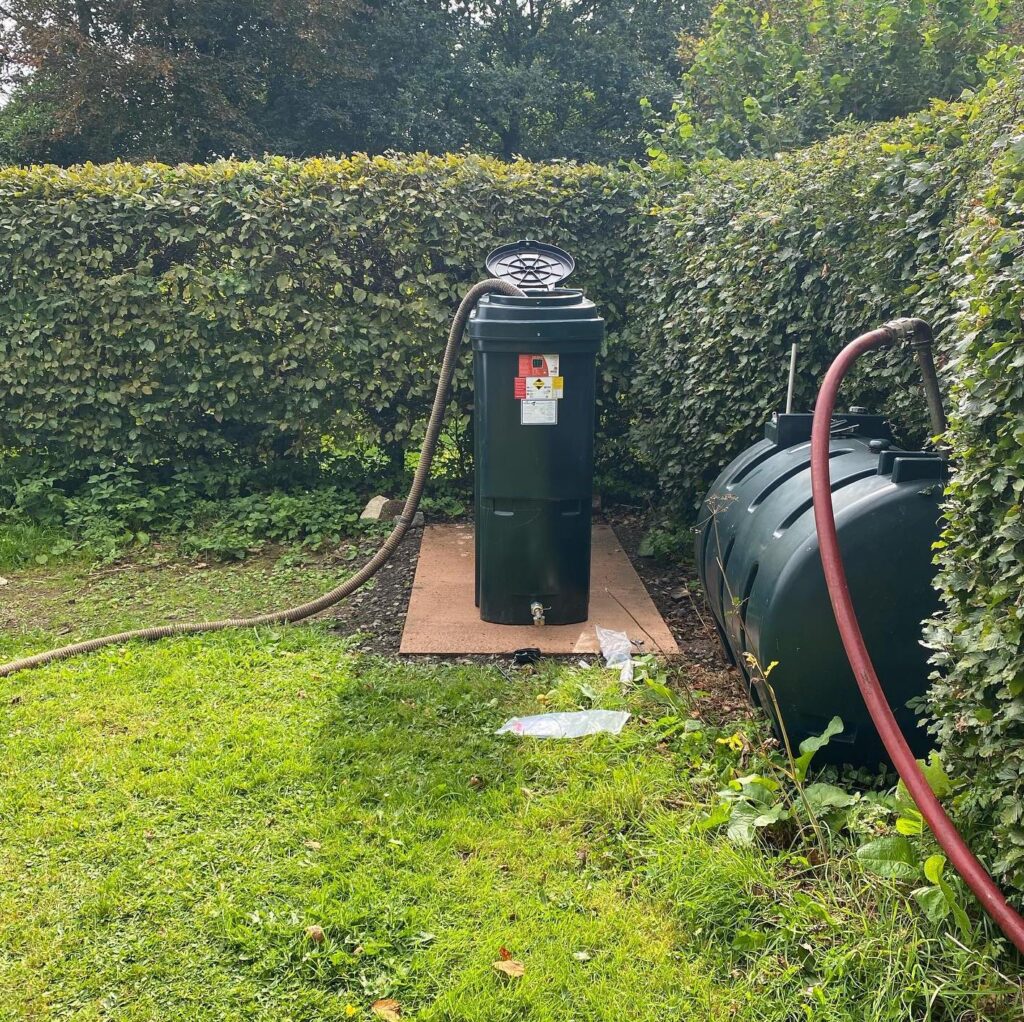
SIGNS THERE MAY BE SLUDGE OR WATER IN YOUR TANK
As water is denser than oil, you won’t be able to take a peek into your tank to see if there is any water – it will fall to the bottom and go undetected – normally only being discovered when there is an issue with your boiler or heating supply.
If you notice your heating system isn’t working as well as it should, or there are any unusual noises from your boiler, this could be a sign that there is sludge in your system.
Checking your tank over on a regular basis for any cracks or leaks that could allow water to get in can help you keep on top of any issues before they become more problematic. If your tank is older than 10-15 years and hasn’t had a regular service, it would be worth booking one in to make sure your tank is in good shape, and there is no build-up of sludge or water.
WHAT TO DO IF YOU SUSPECT THERE IS SLUDGE OR WATER IN YOUR OIL TANK
If you suspect you have a build-up of sludge and water in your oil tank, it is recommended to book a removal by qualified professionals. They will be able to come out and assess what needs doing and safely handle the removal and disposal of sludge in compliance with current OFTEC regulations.
Regular servicing and tank cleaning should not be overlooked, as this will help prevent build-up from damaging your tank and blocking your fuel supply, causing issues with your heating system.
HOW TO PREVENT SLUDGE & WATER BUILD-UP
There are steps you can take to help prevent sludge and water build-up before it becomes an issue.
- Check The Location Of Your Oil Tank – Ensure your tank is properly situated to avoid excess water being able to enter the tank from overhanging foliage.
- Regularly Check Your Oil Tank – Keeping an eye on the condition of your tank can alert you to any cracks or leaks that can cause further issues if left unattended. For tips on what to look for when checking your tank yourself, read the section in our piece on Oil Tank Servicing.
- Book In A Regular Oil Tank Service – A regular service by an OFTEC-registered engineer will help to extend the longevity of your oil tank and catch any issues before they become major problems.
- Keep Your Oil Tank Filled – Don’t let your tank go empty, especially in the summer, as this allows for room for condensation and water to build-up. By keeping your tank more than halfway filled, you are reducing the chance of this becoming a problem. Holding off on refilling your tank also increases the chances of any sludge that has formed entering your fuel line.
- Use A Reputable Supplier – Ensure your oil is coming from a reputable supplier to avoid lower-quality oil that can lead to sludge build-up faster.
CHECKING FOR SLUDGE & WATER FAQs
HOW DO I CHECK FOR SLUDGE AND WATER?
Keeping an eye on the condition of your tank and how efficient your heating system is can be your first sign of whether there is any build-up.
If you suspect water in your tank, you can purchase a water-finding paste that is applied to a long pole and held at the bottom of the tank for a specified amount of time. Once removed, this could indicate water based on the colour of the paste.
If you suspect sludge in your tank, an OFTEC-registered engineer will take a sample from the bottom of your tank to test and confirm whether there is sludge present
WHAT SHOULD I DO IF THERE IS SLUDGE IN MY TANK?
If you find sludge in your oil tank, it is advised to have your tank cleaned by an OFTEC-registered engineer. Handling the removal and disposal of the sludge properly is a very difficult task and best left to those who have experience doing this.
CAN I CLEAN MY OIL TANK MYSELF?
No, it is not advised for you to clean your oil tank yourself. While you could do it, it is a very messy process and dealing with the proper cleaning and disposal of the sludge is something a registered OFTEC engineer is best placed to do.