

Buying A House With An Oil Tank
Buying a house can be a very stressful, albeit very exciting, experience. One made even more so if your new dream home comes with an added extra you’ve not encountered before.
Around 15% of homes in the UK are off the gas grid, mostly in more rural areas, and many of these rely on oil for heating. If you’re looking for a home in a more rural location, the chances of you coming across a home with an oil tank are quite high.
If your potential new home comes with an oil-fired system and you’ve never encountered one before, we have put together a helpful guide with everything you need to know to put your mind at ease.
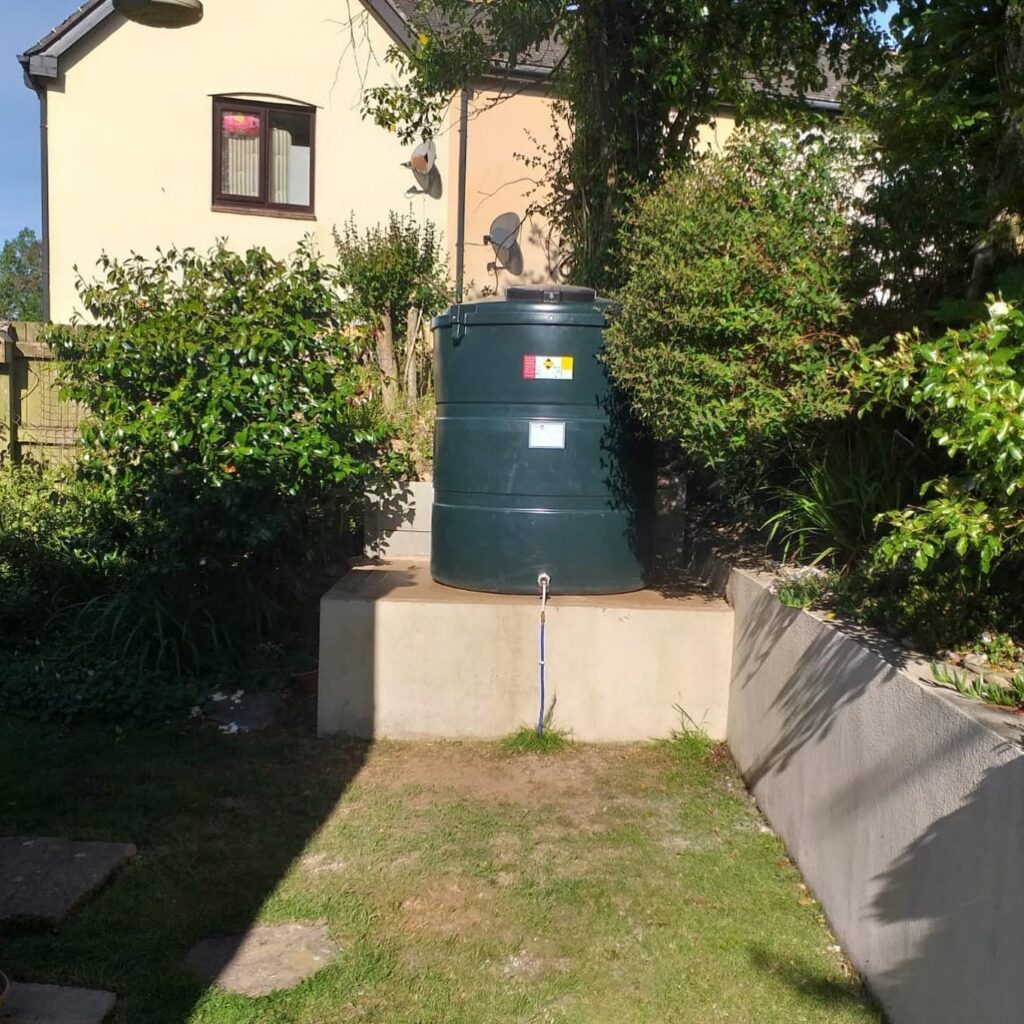
WHAT TO DO WHEN THE HOUSE YOU WANT TO BUY HAS AN OIL TANK
You’ve found your dream home, and during the viewing, you spot an oil tank. If you’ve not encountered oil-fired heating before, it can leave you with many questions. Here are a few things you can do to help you decide whether this is the right home for you.
- Have the Tank Checked – When viewing the property, you can ask to check the tank yourself or book an OFTEC-registered professional to give it a look-over. If checking the tank yourself, here are a few things to bear in mind:
- Check for any signs of cracks or splits
- Check for any leaks
- Check that the oil level is not too low
- Ensure the surrounding area is debris-free to reduce sediments contaminating the oil
- Ensure the tank is secure and that no water can get in.
- Check out our post Why Regular Oil Tank Servicing Is Important for more information and advice.
- Ask for Maintenance Records – These records will give you a rundown of how well the tank and boiler have been looked after over the years. Regularly serviced systems are less likely to have any hidden issues, such as rust or sludge build-up, which can cause costly issues down the line. They can also help you understand the tank’s age and whether you should consider replacing it not long after moving in. Your new home insurance policy will likely also require this information, and proper documentation can make a real difference.
- Check the Systems Efficiency – Newer systems will typically be more efficient and therefore more cost-effective. Understanding how old the system is will help you with understanding how efficient it will be to run.
QUESTIONS TO ASK DURING THE BUYING PROCESS
As well as ensuring the tank and system are in good shape, it is also a good idea ask the current owner some questions about the age and condition of the oil tank and heating system and to gauge rough costings for running the home.
- How old is the heating system, and when was it last serviced? – It is worth finding out when the heating system was installed, as more modern boilers are more energy efficient, making them more cost-effective. If the current system is 15 years old or more, it might be worth replacing and seeing if you can negotiate a discount with the seller. Also worth checking is when the system was last serviced to ensure there are no nasty surprises with a broken boiler not long after moving in.
- How old is the oil tank? – A well-maintained tank can last anywhere from 15-20 years before it needs replacing. If the tank is older than 10 years, it’s worth factoring in the cost of a replacement into your budget, as this might need to happen sooner rather than later.
- Was a qualified OFTEC engineer used in the installation, service and any repairs of the oil tank? – There is a lot of responsibility to take on when owning a home with an oil tank, but making sure the tank has been installed and serviced by a qualified professional will mean the tank is up to date with current regulations and will reduce any risks.
- How much does it cost to run? – If you are unfamiliar with an oil-fired system, you might be wondering how much it will cost to run, especially in the colder months. Speak with the current owner about how often they need to fill the tank and roughly how much it costs to fill, so you can factor this into your ongoing monthly outgoings.
- What are the current filing schedules, and how does this work? – To keep your system going, you’ll need to have the oil tank refilled on a regular basis. Knowing when the tank will need to be filled is essential to ensure you can get it booked in good time with the delivery company. Check with the current owners if there will be any oil left in the tank, so you can get on top of deliveries and not be left without heating or hot water when you first move in. Also, understanding access to the tank is helpful for both you and those who need to come to fill and service it.

BUYING A HOUSE WITH AN OIL TANK FAQs
ARE THERE ANY BENEFITS TO BUYING A HOUSE WITH AN OIL TANK?
Oil can sometimes work out cheaper than gas or electricity, especially in more rural areas. If the boiler is relatively new, it is also likely to be efficient and cost-effective. As oil isn’t susceptible to grid outages, it can also be a reliable source of heating.
Saying this, having an oil tank does come with extra responsibility to keep it maintained to avoid leaks and spills. The price of oil also fluctuates significantly and is influenced by many external factors. You will also need to be on top of deliveries to ensure your tank has enough oil to keep running and see you through the colder months.
Ultimately, whilst there are pros and cons to oil-fired heating, it is up to you to decide what you need.
CAN I FULLY REPLACE AN OIL-HEATING SYSTEM?
You can, how much it will cost and the time needed to do this will be entirely dependent on your circumstances.
If you decide to replace oil with another energy source, we can help with removing the old tank. Have a look at our Removal Service page for more information.
IS OIL MORE OR LESS EXPENSIVE THAN GAS OR ELECTRICITY?
Oil can sometimes work out cheaper than gas or electricity, especially in more rural areas. Bear in mind that oil prices fluctuate, so there may be times when other energy sources are cheaper.