

How Long Does an Oil Tank Last?
If your home relies on oil for heating, there will come a time when a replacement oil tank is needed to comply with current regulations and to avoid potentially costly issues.
Fortunately, high-quality oil tanks are designed for a long life, and with proper maintenance, your tank’s longevity can be extended.
In this guide, we will walk you through the typical lifespan of an oil tank, what can affect its longevity, and when it is time to replace it.
TYPICAL LIFESPAN OF AN OIL TANK
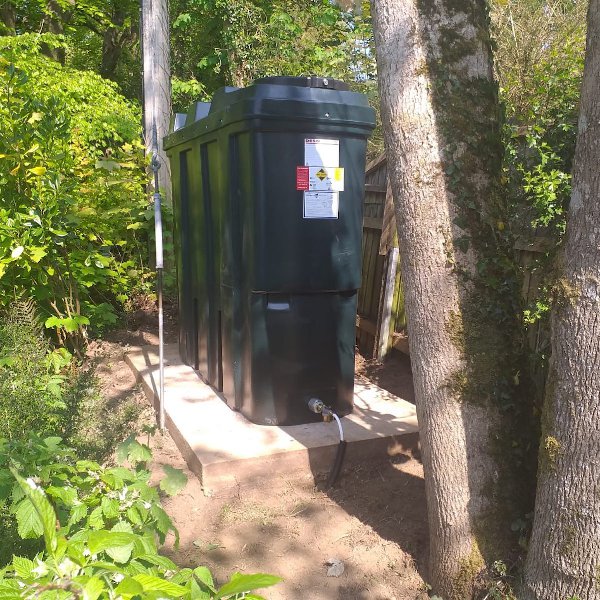
A well-maintained tank can last 15-20 years before needing replacement, though many factors can affect its longevity.
- Location of the tank – How exposed your oil tank is to inclement weather can affect its lifespan.
- How often it has been serviced – regular checks and services of your oil tank can ensure your tank is in tiptop condition and catch any issues early before they become more costly. Learn more about the importance of regular tank maintenance here.
- Material – High-quality steel tanks typically last longer than plastic tanks. This alone should not be a reason to opt for steel over plastic, as steel tanks tend to be more expensive and have higher maintenance costs. It is worth considering the pros and cons of both materials to assess what works best for you and your budget. We have put together a handy guide to help you choose the right oil tank.
Every tank and circumstance is different, so it is best not to ignore signs that your tank needs replacing.
WHEN SHOULD I REPLACE MY OIL TANK
Knowing when to replace your oil tank can be tricky, though by being aware and spotting the signs early, you can avoid costly leaks and failures.
Here are some signs to look out for:
- Advanced Age – If your tank is past the 20-year mark, it is at greater risk of failure, especially if it hasn’t been properly serviced and maintained. It may also not be financially viable to repair, making a replacement the most cost-effective option. Once a tank has exceeded its standard 10-year warranty, it is advisable to schedule further services with an OFTEC engineer.
- Rust / Visible Corrosion – Rust or visible corrosion on the outside of a steel oil tank is a big red flag. A corroding tank is prone to leaks and may indicate additional corrosion inside, which can lead to sludge buildup.
- Dents or Damage – Major dents or damage to the exterior of an oil tank (from vehicles, falling debris, etc.) can affect its structural stability. You also can’t be too careful that further damage hasn’t been caused within the tank itself, so it is always a good idea to have your tank professionally checked if you notice anything untoward.
- Signs of Leaks – Any sign of a leak should not be ignored. If left unchecked, leaks can cause environmental damage and result in costly bills. While small leaks can be repaired, they may also indicate that a new tank is needed.
- Outdated Design – Single-skin tanks, while still legal, are more likely to require replacement sooner as they lack a second bunded layer and tend to have a shorter lifespan.
- Poor Performance – If you notice your heating system isn’t performing as well as usual, it could indicate that an element needs repair or replacement. It is a good idea to have your system, including your tank, checked.
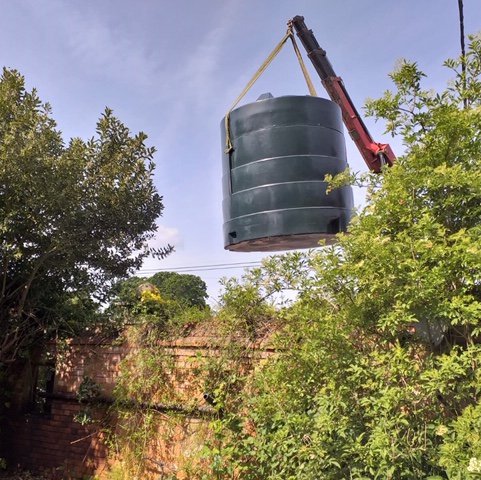
Having an oil tank comes with significant responsibility; if you are unsure about anything, it is always best to have your tank inspected by a professional.
OIL TANK LIFESPAN FAQs
CAN MY OIL TANK BE REPAIRED RATHER THAN REPLACED?
Depending on the extent of the damage, you may be able to have your oil tank repaired rather than replaced. It is best to speak to a professional who can inspect your tank and advise you on the best course of action.
HOW CAN I TELL THE AGE OF MY OIL TANK?
Your tank should have either a label or engravings indicating the make and model. You should also have documentation for the tank from the installation, which will provide information on the installation and warranty.
SHOULD I REPLACE AN OLDER STEEL TANK?
Yes, it is advisable to replace older steel tanks, especially those with signs of rust or corrosion, as they are more likely to leak.