

Will Oil Be Phased Out As A Home Heating Option?
If you heat your home with oil, you’ve likely seen plenty of alarming headlines recently: bans, deadlines, forced replacements. It’s enough to leave anyone feeling uncertain about what the future holds. The good news is that the reality is far less dramatic than the news coverage might suggest.
Oil heating is being phased out in the UK, but this is happening gradually, and nobody is going to force you to remove a working system. In this guide, we’ll walk you through what is happening, when it’s likely to affect you, and what your options are when the time does come to make a change.
KEY DATES TO BE AWARE OF
- 2025 – New-Build Homes Only: From 2025, oil and gas boilers can no longer be installed in newly built homes. This is part of the Future Homes Standard, which requires new properties to be built with low-carbon heating systems such as heat pumps. This date applies to new builds only and has no impact on existing homes.
- 2026 – Revised Timeline: The government originally planned that, from 2026, homeowners in off-grid areas would no longer be able to replace a broken oil boiler with another oil boiler. However, following considerable opposition, particularly from rural communities who pointed out the challenges and costs involved, the government pushed back the deadline. The current direction is a longer, more gradual transition, giving households more time to plan and allowing low-carbon technologies to become more affordable and accessible in the meantime.
- 2035 – The Wider Phase-Out Target: The government’s stated aim is to phase out the installation of new oil (and gas) boilers across all UK homes by 2035. This doesn’t mean your boiler will be switched off or removed; it means that when your system reaches the end of its life and needs replacing, you’ll be expected to choose a low-carbon alternative. The government has confirmed there will be no fines for households still using oil heating beyond 2035. The focus is on stopping new installations, not penalising people for what they already have.
WHAT ARE THE ALTERNATIVES TO OIL HEATING?
When the time does come to replace your oil boiler, there are a number of low-carbon options available:
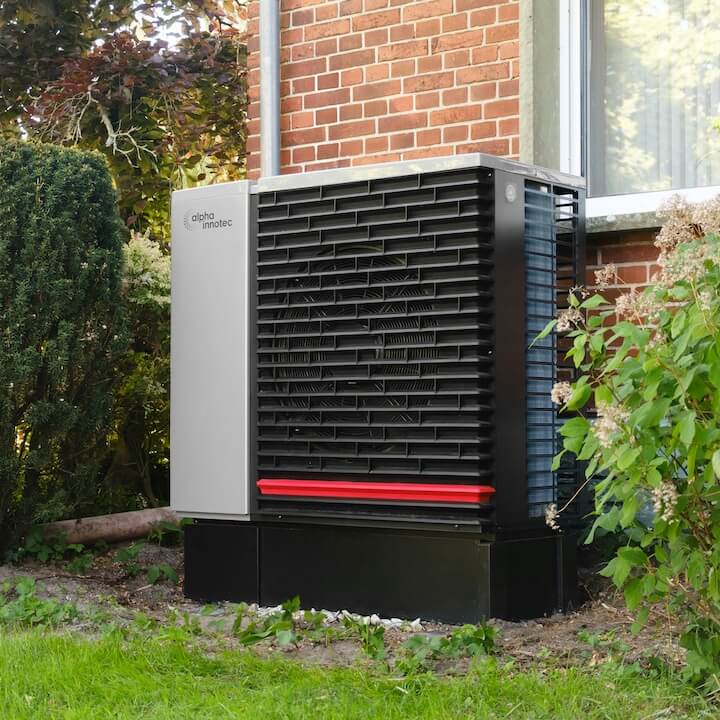
- Air Source Heat Pumps: Currently, the most widely recommended alternative. These systems extract heat from outdoor air and use it to heat your home, even in colder weather. They’re highly efficient, but do typically require good insulation and may involve some changes to your existing heating system to work at their best.
- Ground Source Heat Pumps: Similar in principle to air source pumps, but these draw heat from the ground via buried pipework. They can be more efficient, though they require enough outdoor space to install the pipework and tend to involve higher upfront costs.
- Biomass Boilers: These work in a similar way to a conventional boiler but burn wood pellets or logs rather than fossil fuels. They can be a good option for rural properties with storage space for fuel.
- Hydrotreated Vegetable Oil (HVO): HVO is a renewable fuel made from vegetable waste and used cooking oil, and it can be used in many existing oil boilers with very little modification. It produces significantly lower carbon emissions than conventional heating oil and is a practical stepping stone while you consider a longer-term switch. Availability is currently growing across the UK.
WHAT HELP IS AVAILABLE FOR MAKING THE SWITCH
The government has put a number of schemes in place to help with the cost of transitioning away from oil heating:
- Boiler Upgrade Scheme (BUS): Provides grants of up to £7,500 toward the cost of installing an air- or ground-source heat pump. The scheme’s budget has been significantly increased in recent years, making it a useful source of support for eligible homeowners.
- ECO4 Scheme: If you receive certain government benefits, the ECO4 scheme may cover some or all of the cost of replacing an old, inefficient heating system with a modern, energy-efficient alternative. It’s worth checking your eligibility on the GOV.UK website.
WHAT YOU SHOULD DO NOW IF YOU HAVE AN OIL BOILER
The most important thing to know is that you don’t need to take any immediate action. If your boiler is working well and has been regularly serviced, you can continue using it. A well-maintained oil boiler can last 15 to 20 years, which gives most households plenty of time to plan ahead.
If your boiler is already 10 years old or more, consider researching your replacement options now. Review available alternatives, estimate upgrade costs, and check for potential grants. Having this information ready will prepare you for a future switch when it becomes necessary.
It’s also worth noting that properties with modern, low-carbon heating systems are becoming increasingly attractive to buyers. If you’re thinking of selling in the next decade, this is something that could affect your home’s value or the conditions of a sale.
WHAT HAPPENS TO YOUR OLD OIL TANK
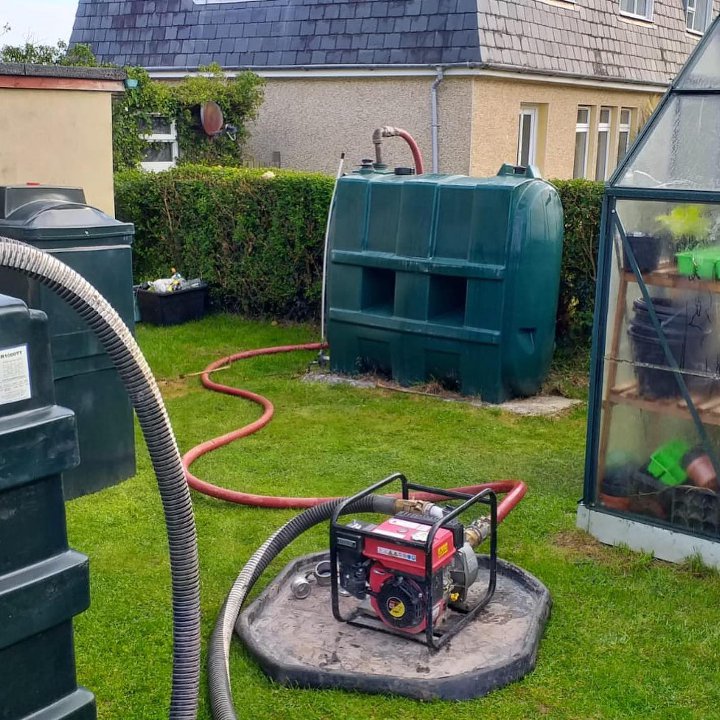
If and when you switch to a low-carbon heating system, your oil tank will no longer be needed. At that point, having it safely removed is the right thing to do, both from a practical and an environmental standpoint. An unused tank left in situ can be a liability, particularly if it begins to deteriorate and poses a risk of a leak.
Our team carries out professional oil tank removals across the South West, ensuring the job is done safely, cleanly, and in line with current regulations. If you’re starting to think about making a switch and want to understand what’s involved in decommissioning your tank, we’re happy to talk it through with you.
OIL HEATING PHASE OUT FAQs
WILL I BE FINED IF I STILL HAVE AN OIL BOILER AFTER 2035?
No. The government has confirmed that there will be no fines for homeowners still using oil heating after 2035. The phase-out is focused on reducing new oil boiler installations over time, not on penalising households for what they already have in place. Your existing system can continue to run for as long as it works safely and efficiently.
CAN I STILL BUY HEATING OIL AFTER 2026?
Yes. The 2026 deadline relates to the installation of new oil boilers, not the supply of heating oil. Conventional heating oil will remain available for existing systems, so you won’t find yourself unable to fill your tank.
WHAT HAPPENS TO MY OIL TANK IF I SWITCH TO A DIFFERENT HEATING SYSTEM?
If you switch away from oil heating, your tank will need to be decommissioned and removed. It’s important that this is done properly by a qualified professional, as an unused tank left in place can deteriorate over time and pose a risk of leaks or contamination. We offer a professional oil tank removal service across the South West.